
How to Choose a Doula for the Dying (End-of-Life Doula) Training Program
Becoming a death doula starts with solid training. Most folks choose a structured program, whether online, in-person, or a mix of both. You learn the heart of the work. How to sit with hard stories. How to listen without fixing. How to honor culture, spirituality, and grief in all its forms. You also get practical tools for legacy projects, family support, and the emotional terrain that comes with end-of-life care.
Choosing a doula for the dying training program requires care. This work touches people in their most vulnerable moments. The right training should build confidence, skill, and grounding—not just award a certificate. Each program has its own flavor, so it helps to pick one that fits your values and learning style. Consider these criteria before you sign up:
1. A Solid Curriculum
Focus on what’s being taught. A strong end-of-life training program offers more than comforting words and rituals; it prepares you for the real challenges of supporting individuals and families in death.
Look for an end-of-life doula curriculum that includes:
- The physical and emotional stages of dying. You should understand how bodies and emotions shift as death approaches.
- Supporting families. Training should show you how to help loved ones navigate grief, decisions, and guilt.
- Communication skills. Active listening and conflict management skills are essential. You’ll often be a bridge between people who see things differently.
- Vigil planning and legacy work. Doulas often help design final moments and legacy projects that honor life lived.
- Ethics, boundaries, and scope of practice. You’ll need clarity about what’s appropriate, what’s not, and when to refer to others.
- Self-care and burnout prevention. This work is meaningful, but emotionally heavy. Programs should teach tools to stay centered.
- Cultural, spiritual, and religious sensitivity. Dying looks different across traditions. You need awareness, not assumptions.
A well-rounded curriculum balances practical knowledge with emotional intelligence.
2. Alignment with Professional Standards
End-of-life work is still an emerging field, so not all trainings are equal. Look for programs that align with established guidelines.
In the U.S., NEDA (National End-of-Life Doula Alliance) sets core competencies and offers a proficiency badge to doulas who meet them. In Canada, EOLDAC (End of Life Doula Association of Canada) reviews and recommends programs.
If an end-of-life training is endorsed or recognized by either group, that’s a good sign. It means the program follows accepted best practices and prepares you to serve clients within the appropriate scope.
3. Experienced Instructors
A great curriculum means little without hands-on instructors. The best teachers have worked as doulas with dying clients and their families. Ask:
- Have they worked in hospice, grief counseling, or death care?
- Are they currently practicing as end-of-life doulas?
- Do they bring recent, real-world examples into class discussions?
Practical experience and wisdom make all the difference. You’ll learn not just what to do, but how it actually feels in the moment.
4. Practice Opportunities
You can’t learn this work through reading alone. Look for a doula for the dying training that lets you practice. These might include:
- Role-playing and real-life scenarios.
- Case studies or supervised work with clients.
- Observation or apprentice opportunities.
- Peer or mentor feedback sessions.
These experiences help you understand your own style and presence. You’ll make mistakes in a safe environment, with support to learn from them.
5. Flexible Learning Options
It’s essential to ensure the training structure aligns with your life and learning style. Ask yourself:
- Would you prefer participating in a death doula training online or is an in-person training best for your learning style?
- Would a self-paced program help you balance other responsibilities, or do you thrive in live classes with structure?
- How long can you realistically commit? A weekend intensive or a several-month deep dive?
- Does the training schedule match your current availability, given other existing commitments? commitments?
- How important is it to you to have a community of other professionals that you have met in-person? Being a doula for the dying is vulnerable, intense work. Having a support community is of great value.
6. A Clear Path to Death Doula Certification
Be sure you understand the steps to certification with your training organization. There may be an application, code of ethics and scope of practice documents to sign, recommendation letters, and ongoing continuing education requirements. Fees are part of the process, so it’s good to plan for that in your budget as well. In the end, certification is less about hoop jumping and more about showing you’re grounded, prepared, and committed to this work.
7. Community and Ongoing Support
Graduating from a doula for the dying training program shouldn’t be the end of your connection; it should be the beginning.
Strong programs build community through:
- Alumni networks for referrals, collaboration, and emotional support.
- Continuing education that helps you deepen your skills.
- Ongoing mentorship and community
- Business guidance for those who want to offer services professionally or volunteer sustainably.
Death work can be isolating. Having a community that understands the emotional weight of this role keeps you grounded and growing.
8. Transparency About Costs and Expectations
Finally, make sure that the death doula training costs & requirements are clearly outlined. A trustworthy program is clear about:
- Total cost and what’s included. Does tuition cover materials, mentorship, and certification, or are there add-on fees later?
- Time commitment. How many hours per week are expected to engage in the program, and what’s the total duration?
- Ongoing program costs. Do you have to pay annual membership dues or complete continuing education requirements to maintain certification?
Final Thoughts
Becoming an end-of-life doula is as much a personal calling as a professional one. The right program should nurture both parts of you – the compassionate human and the skilled practitioner.
Take your time. Compare death doula courses. Talk to graduates who are now certified end of life doulas and working in the field. Pay attention to how you feel when you interact with instructors or read their materials.
If a doula for the dying training program makes you feel both inspired and grounded, it’s probably a good fit. After all, end-of-life work is about presence, honesty, and heart, and your training should reflect that.
SHARE THIS POST:

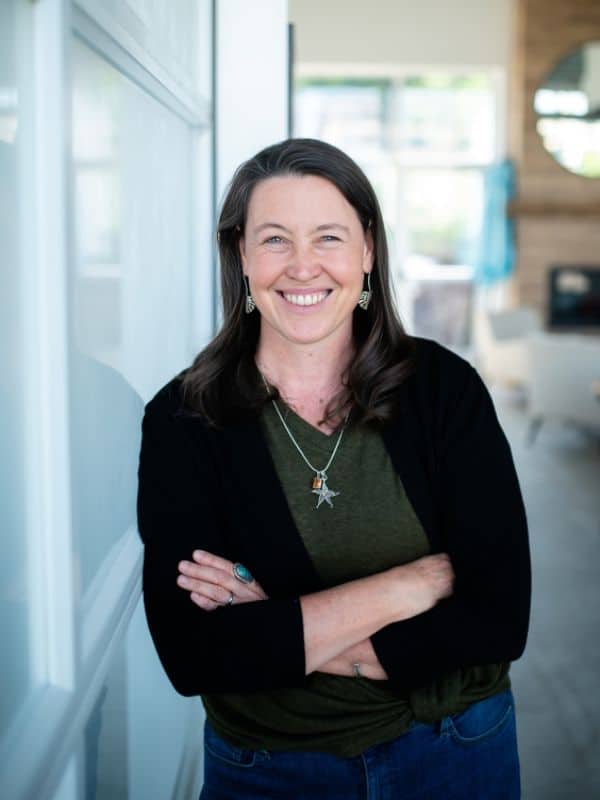
Sarah Juliusson, End of Life Website Designer
Hi there, I’m Sarah Juliusson. I support your end of life business growth with affordable website templates designed to build trust and convert site visitors into thankful clients. With 15-years of experience as a web designer for local caregivers and holistic service providers as The Website Doula LLC. Now, I've expanded with these new website designs created especially for end of life service providers like you.
It is an honor to support you in serving your community with affordable website template options so the families you are meant to serve can discover you. Contact me today to find the right website package for your needs.